Spanning more than 40 countries, and with 2028 drawing near, which will mark fifty years of disruption across global markets, this is a personal overview of the path I've taken. It represents a curated snapshot of five decades, not an exhaustive chronicle, focusing on those ventures and insights that best illustrate the thread of disruption running through my work. From early ventures in hospitality to work across international markets, often traversing multiple time zones on a near-weekly basis, and into real estate, my focus has remained on adaptability, thoughtful risk-taking, and recognising overlooked opportunities.
This site brings together key moments, current projects, and the principles that have shaped my journey. It's not intended as a showcase, but rather for those with an interest in my current activities, past experiences, and the thinking that has guided a lifetime spent navigating, building, and, more than occasionally, challenging the status quo.
1971-1976 | Morton Comprehensive School, Carlisle
May 2026 marked fifty years since walking out of Morton Comprehensive School at sixteen, at noon, never to return.* By 2pm the same day, I was at work. The transition was easy: I had already been working part-time for almost four years. House Head Mr Clifford had quietly worked it out, noting in that final report that "most of Peter's effort is expended outside of school time."
Re-reading school reports from 1968 to 1976, the picture they paint is remarkably consistent across eight years and two schools: ability acknowledged, application questioned. Cheerful. Easily distracted. Strong where engaged. Absent where not.
My mathematics teacher, 1976. CSE Mathematics result: 4.5%.
"A disgusting result. No effort has been made at all."
Despite that 4.5%, navigating many deals across the globe, including those involving complex cascade accounting systems for global telecoms networks, came naturally in due course. On reflection, that is quite surprising.
The journey from hospitality to international telecoms to real estate to the digital economy was not built on academic theory. It was built on practical execution, instinct, and a principle arrived at the hard way:
Know Your Limits and Leverage Them.
What the teachers called selective effort, I eventually learned to call focus.
* In 2011, a pre-demolition dinner was held at the school, hosted by headmaster John Hefford. He remembered me on sight after 35 years. Make of that what you will.
In 1978, necessity prompted my formal entry into the hospitality world when I acquired a defunct discotheque, not for its dancefloor, but for its commercial kitchen, which was needed to support my catering business. This venture, my first and only 50/50 partnership, taught me the complexities and compromises of shared control.
At 22, I purchased the freehold of a 79-bedroom city-centre hotel, transforming it into a combination of bars and affordable city-centre accommodation. It proved a hands-on education in property development and adapting to market realities.
From 1982 to 1991, I expanded my hospitality portfolio across Northern England, including pubs, clubs, restaurants, and a snooker hall, among others. This period revealed that my talents lay more in striking deals than in day-to-day operations, an insight that shaped my future direction.
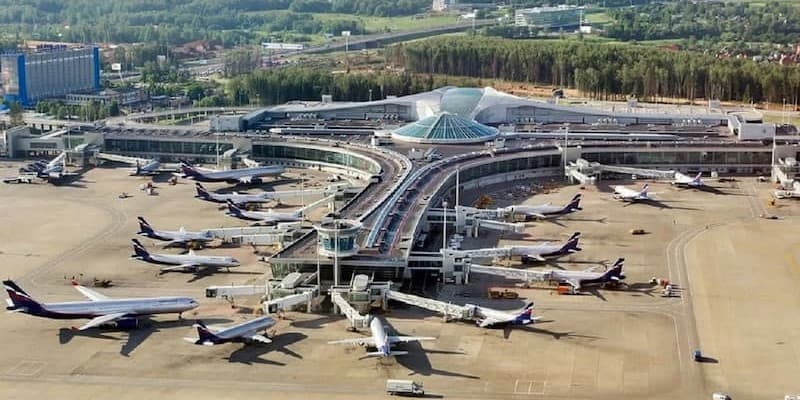
In the early 1990s, amidst political upheaval in Russia, I launched what would become my first international business experiment. Despite the clear risks, I pursued an opportunity others were reluctant to explore by establishing an international mailing hub at Moscow's Sheremetyevo Airport.
Russia's airmail rates were particularly favourable. Under international agreements, receiving post offices were compelled to deliver inbound airmail as first-class post. Coupled with Russia's strong desire to attract hard currency, particularly US Dollars, this enabled me to offer highly competitive services to direct mail firms across the UK, Europe, and the United States, with the UK emerging as the dominant market. The operation involved complex logistics, routing mail through third-party countries en route to final destinations.
This venture required navigating unstable economies and shifting regulatory frameworks across multi-jurisdictional borders. It opened my eyes to the disruptive instincts I was beginning to harness in business.
While only marginally successful, the operation's competitiveness eventually attracted focused and unwanted pressure from the UK's Royal Mail, prompting a necessary shift in focus. The experience underscored the importance of adaptability in international business and the need always to look ahead.
Crucially, my experience developing the mailing hub provided invaluable insights into global Posts, Telegraphs and Telephones (PTT) operations and their unique accounting systems. These insights proved instrumental in my subsequent telecommunications ventures, highlighting the often unexpected dividends of international exploration.
In the early 1990s, I launched Capital Management in Gibraltar, drawn by the strategic potential of the jurisdiction. Gibraltar's position at the crossroads of Europe and Africa, paired with a British legal framework and a favourable regulatory climate, made it an ideal base for international financial operations.
Capital Management specialised in the acquisition and collection of delinquent debt portfolios, typically arising from companies that had been wound up and/or liquidated. I developed innovative approaches to both acquiring and recovering such debts, with a panel of UK solicitors handling the process once the book had been secured. It was never a large-scale operation, but once the flow began, it generated a steady stream of passive income.
This venture demonstrated the importance of selecting the right jurisdiction for specific business activities. Gibraltar offered more than just tax efficiency. It provided political stability, a sophisticated banking infrastructure, and a regulatory setting well-suited to cross-border finance. The experience established a foundation for my later understanding of cross-border financial structures, knowledge that would prove invaluable in future ventures.
Building on the operational knowledge gained through international postal systems, I turned my attention to global telecommunications. This new venture involved managing complex business relationships and contractual frameworks across diverse regions, spanning the United States, the Pacific region, and the Caribbean. Countries such as Vanuatu and Papua New Guinea offered a combination of logistical complexity and commercial potential.
At the heart of this venture was my understanding of Posts, Telegraphs and Telephones, commonly known as PTTs, state-owned entities responsible for managing national communications systems. Global telecommunications networks depend on bilateral and trilateral agreements, underpinned by a structure known as cascade accounting. This system distributes international call revenues among originating, transit, and terminating carriers.
My business model centred on utilising these accounting structures, which required careful navigation of international agreements and regulatory frameworks. Maintaining timely reconciliation and settlement processes was critical to operational integrity and long-term viability.
Another defining feature of the business was regular engagement with government authorities. Discussions with high-level officials frequently underlined the strategic importance of telecommunications to national policy. Such dialogues were essential; even minor policy shifts could alter accounting rates and disrupt the underlying business logic.
Each market presented its own regulatory, technical, and cultural dynamics, further refining my skills in international negotiation and strategic adaptation. The telecommunications sector deepened my understanding of global operational models, influencing the way I approached future ventures across other industries.
As global telecom accounting rates began to decline in the early 2000s, I recognised the need to diversify into real estate, with a focus on UK property investments. While continuing to manage my telecom interests, I pursued greater long-term stability, and several of those early acquisitions remain part of my portfolio today.
I began by investing in town centre office buildings and high street retail units, establishing a sustainable, income-generating portfolio. By the mid-2000s, I had moved into property development, completing projects such as The Stalls in Stratford-upon-Avon and Hatton Flight in Warwick. These developments were about more than bricks and mortar; they reflected an understanding of emerging market trends and a commitment to delivering what would now be recognised as smart homes.
However, I soon realised that hands-on property development wasn't my true strength, especially as my approach often saw me over-specifying the properties, as if they were for my own use rather than for conventional resale. Recognising this, I pivoted my focus back to deal-making, leading to one of my most intriguing ventures yet.
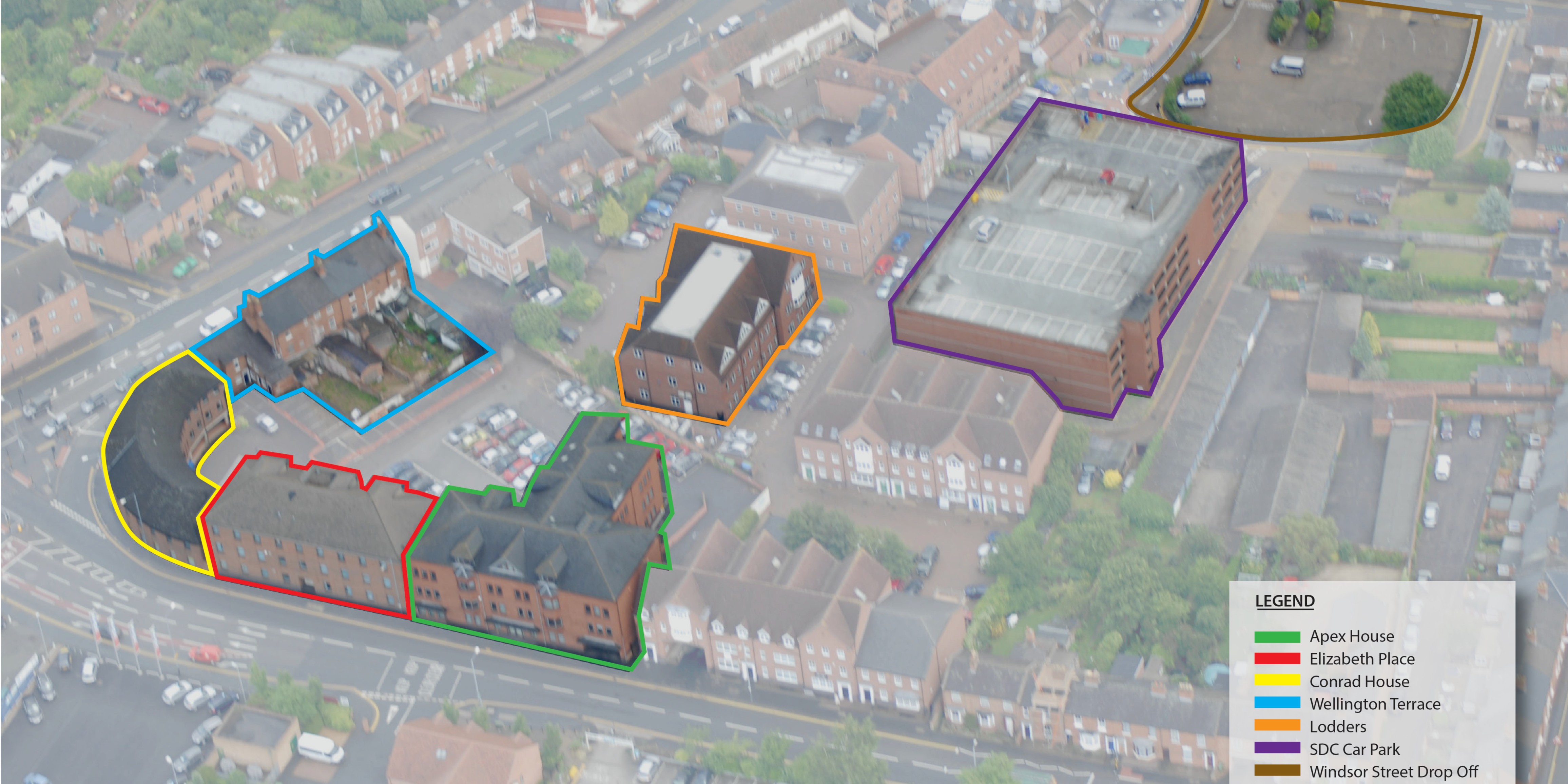
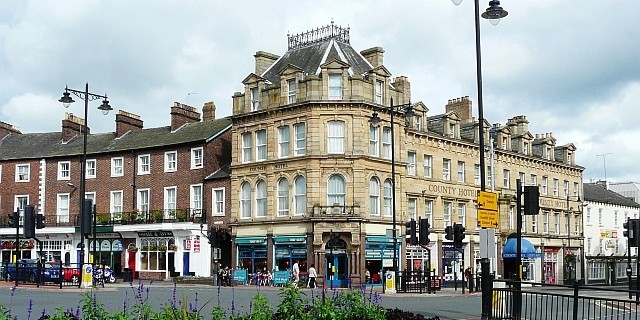
In 2001, I acquired a corner office building in Stratford-upon-Avon, marking the beginning of what would become a long and complex journey, one that bore all the hallmarks of a real-life game of Monopoly. Unlike the version played over Christmas tables across the UK, this one involved real properties, real negotiations, and real financial risk.
Over the course of 23 years, I assembled group-owned properties, secured an option on a council-owned multi-storey car park, and ultimately consolidated a development site of nearly three acres at the main entrance to the town. Each acquisition demanded meticulous planning, significant personal capital, and the willingness to accept meaningful risk. The outcome: a site of substantial strategic value for the area.
In August 2024, after many years of challenges, disappointments, and inexplicable delay, I completed the sale of the assembled site to the West Midlands Combined Authority, which, in partnership with Stratford District Council, has put forward ambitious plans. These include a World Shakespeare Centre, developed in collaboration with The Shakespeare Birthplace Trust, alongside hospitality and housing elements.
The Gateway project stands as a testament to the power of strategic thinking and unwavering long-term vision.
My current focus lies entirely within the digital realm, building on decades of international business experience and a track record of disruptive ventures. I am developing proprietary intellectual property designed to underpin the next wave of platform-led businesses.
These ventures fundamentally reimagine how people engage with the gig economy. By eliminating traditional barriers, such as vehicle ownership or physical mobility requirements, we are unlocking participation for anyone with a smartphone. This is not about competing with existing platforms; it is about creating an entirely new category of digital work.
Gamification lies at the heart of my approach, transforming engagement into a rewarding and sustainable user experience. Combined with mobile-first design and recurring revenue models, we are building systems that scale globally while remaining accessible and in demand locally. The cascading revenue model I first encountered during my telecommunications work is surprisingly adaptable for the smartphone gig economy era.
While confidentiality restricts detailed disclosure at this stage, an omission for which I make no apology, two breakthrough ventures are already advancing toward MVP launch. Each represents years of strategic thinking distilled into platforms intended to reshape how economic participation is defined in the digital age.
In my business ventures, one principle has been paramount: travel light. This philosophy underpins my approach to management and growth.
At its heart is a small, agile core team, eschewing large corporate structures. This ensures flexibility and swift decision-making in dynamic environments. Yet, it doesn't sacrifice expertise. I've built a network of trusted professionals across various fields, engaged as needed. This grants access to top-tier skills without the burden of a large permanent staff.
This model shines in international ventures. It allows for rapid assembly of teams with specific expertise and local knowledge for complex projects. The 'travelling light' ethos permeates all aspects of operations, from decision-making to financial management. Maintaining low overheads and flexible structures enables quick pivots as markets shift and new opportunities emerge.
From Moscow's chaos to New York boardrooms, Vanuatu to the Solomons, Caribbean telecoms to Australian markets, America's West Coast to Britain's high streets, certain truths hold everywhere. These aren't MBA theories but principles forged over five decades of global dealmaking. Six insights that cut through complexity, whether you're trading in Gibraltar or Warwickshire, in pixels or in property.
Recognizing your limits isn't about setting boundaries but knowing where you excel. In business, it's about taking calculated risks that align with your strengths and vision.
In business, success often lies in seeing past what's directly in front of you. Like driving at night, focus on what's further down the road to anticipate challenges and seize opportunities.
'Making do' is a last resort, not a strategy. It's a temporary fix, with the goal always being to pursue excellence and achieve the best possible outcome.
In business, concise communication is powerful. Make your point clearly, then allow your message to stand without over-explaining. This approach conveys confidence and ensures impact.
Clarity is crucial. Over-explaining dilutes your message and causes confusion. Deliver your expertise directly, ensuring your audience grasps your key points efficiently.
Small talk isn't idle. It's tactical. Being across current affairs gives you presence and influence. If a topic's unfamiliar, owning it signals confidence, not weakness. Staying informed takes effort, but the cost of being out of the loop in a room that matters is far greater.
With the successful consolidation of my real estate portfolio and my strategic exit from the Stratford-upon-Avon Gateway Project in August 2024, I have now shifted focus to the next major chapter of my entrepreneurial and disruptive journey.
To support this evolution, I have unified my corporate interests under a newly established entity: Think PDW GROUP Limited. This structure is deliberately engineered for long-term resilience, merging operational agility with succession foresight. By the time August 2028 arrives, I intend to deliver a bold, globally scalable programme, reviving a proven model from my telecoms days, centred on holding and licensing intellectual property. This time, it is driven by a global franchise strategy.
I am currently in active discussions to form strategic trading partnerships that will bring two breakthrough ventures to MVP (Minimum Viable Product) stage. Each initiative is built on disruptive thinking and is being refined for confidential release to selected collaborators.
While discretion and confidentiality remain essential, unapologetically so, I can reveal that these ventures involve a new class of proprietary applications designed to reinvent digital revenue generation. Uniquely, they require no vehicle ownership or physical mobility, opening the door to participation from anyone with a smartphone.
At the heart of this ecosystem is a proven, cascading revenue model: mobile-first, automation-led, and globally scalable. The goal is to redefine the economics of participation in the gig economy.
Through 2026, the focus is on disciplined execution rather than public disclosure: refining the platform strategy, protecting the underlying intellectual property, selecting the right commercial partners, and establishing a clearer route from prototype to commercial launch.
Sara Webber has been my Personal Assistant for 25 years, during which time she has played a pivotal role supporting me on a day-to-day basis, no matter where I may be in the world.
If you have a question relating to the business, Sara should be your first point of contact. There is very little she doesn't know about current operations, and in most cases, she will either be able to assist you directly or swiftly connect you with the appropriate person.
To get started, please complete the email form provided. I have no doubt she'll respond without delay.